




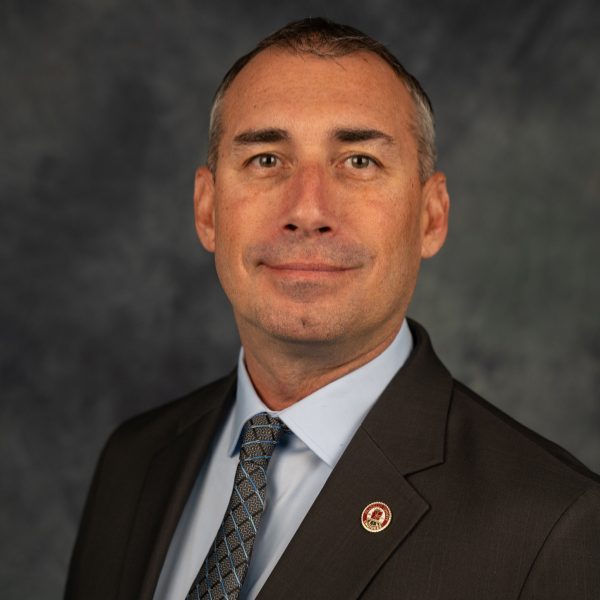
Drainage Engineer, Adam W. Fowler, P.E., P.S.
In addition to transportation, surveying, and land record keeping duties, the Franklin County Engineer has been designated by the Board of County Commissioners to serve as the “Drainage Engineer.”
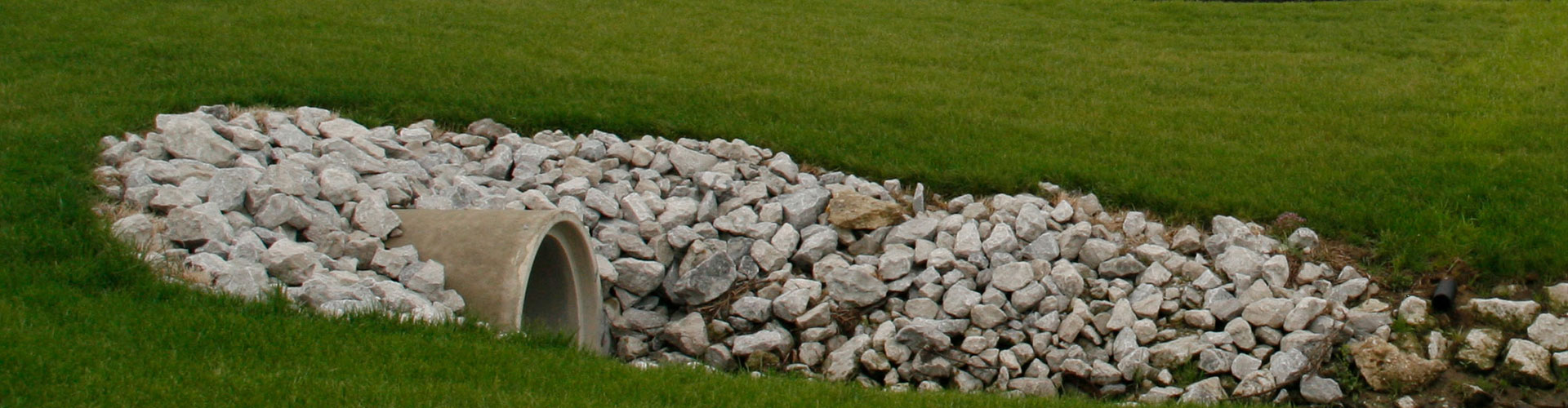
In this capacity, the engineer’s office works to control flooding, prevent erosion, and promote better water quality in unincorporated areas through the repair and improvement of county and joint county ditches, drains, retention basins and other watercourses within the public right-of-way along county routes.
The County Drainage Engineer is not responsible for stormwater management on private property, but drainage assistance in unincorporated areas can be requested through the county’s ditch petition process, or for new subdivisions, through the subdivision platting process. The cost of these improvements are then assessed to the property owners in the petitioned areas. Currently, the county’s petition ditch inventory includes 94 miles of open ditches, and 147 miles of closed (tiled) ditches.
We work closely with the Franklin County Board of Health, Franklin Soil and Water Conservation District, Ohio Environmental Protection Agency, and other government agencies and environmental groups to resolve drainage issues and to develop regional storm water management plans.
Stormwater Drainage Manual

Franklin County and Township Stormwater Management Program 2022-2026
Illicit Discharge Detection and Elimination Plan
Other Drainage Resources
Franklin County’s NPDES Storm Water Permit
In 2003, the Ohio Environmental Protection Agency (OEPA) issued a Phase II National Pollutant Discharge Elimination System (NPDES) Storm Water Permit to the Franklin County Commissioners. OEPA issued the third-generation permit in September 2014 and it extends through 2019. The permit covers the urbanized unincorporated areas (townships) in the county. The purpose of the permit is to remove pollution from storm drains in developed areas that could contaminate our streams and lakes.Examples of storm water pollution include:
- Motor oil that someone dumps into a catch basin
- Gasoline washing off of a parking lot
- Lawn chemicals that wash off of someone’s property
- Home sewage systems that connect to a storm drain or field tile
The Franklin County Drainage Engineer is partnering with Franklin County Public Health (FCPH), Franklin Soil and Water Conservation District (FSWCD), the Franklin County Commissioners and 17 Townships to meet the requirements of Franklin County’s NPDES Storm Water Permit. If you see any type of these violations, please use the button above to fill out a survey form so an inspection can occur or click here.
Stormwater Pollution
Here are some important home and garden tips from the Franklin Soil and Water Conservation District that we hope you will consider to protect our water resources:
Yard
Keep your trash can area clean. Litter can blow into a nearby waterway and pollute our creeks.
Keep your lawn and yard clippings away from gutters and storm drains. Clippings that end up in creeks decompose in the water and rob the aquatic life of oxygen.
Minimize the use of fertilizers and pesticides in your garden. If you must use them, choose less-toxic alternatives. Apply in dry weather and water sparingly after use in order to keep fertilizers and pesticides in the garden.
Dispose of animal waste properly, flush it down the toilet or throw it in the trash can.
Parking Area & Garage
Keep your yard, household, and automotive chemicals stored in a cool, dry place without leaks. Household toxic waste must be recycled or properly disposed of to prevent pollution.
Use a broom instead of a hose to clean parking areas. After using kitty litter or other absorbent material to soak up auto leaks on concrete, sweep and dispose of it properly.
Recycle used oil, antifreeze, oil filters and other household toxins. For household hazardous waste collection drive dates visit www.swaco.org.
When possible, use a commercial car wash. These businesses recycle the water and have ways to clean the runoff.
Consider using little or no soap (even biodegradable soaps don’t break down soon enough to avoid killing organisms in the creeks). Try to wash on gravel or grass.
Dispose of extra soapy water in a sink or toilet.
Home Improvement Projects
On Concrete: Sweep up concrete, aggregate and other dust and waste materials for disposal in the garbage. Do not rinse down the gutter or driveway. Concrete mixes have chemicals that will poison creek life.
On Paint: Rinse any latex paint contaminated brushes and rollers in the sink, not out of doors (send it to the sanitary treatment plant and not the creek). Take paint thinner, solvents, and other chemicals to a household toxics disposal facility.
On barbecues: Avoid cleaning grills onto paved areas that can be rinsed into gutters and creeks. Burnt food buildup on the grill is poisonous to animals in the creek, even in low concentrations.
Thank you for your cooperation in helping to protect our environment. For more information, please contact the Franklin Soil and Water Conservation District at www.franklinswcd.org.